


Choosing Long Distance Medical Transport in California
A medical trip can feel much bigger when it stretches beyond a familiar neighborhood. A parent may need to return home after rehabilitation in another county. A dialysis patient may be staying temporarily with family. A wheelchair user may have a specialist appointment hours away. In these moments, long distance medical transport California families arrange is not simply about getting from one address to another. It is about protecting comfort, dignity, timing, and peace of mind for a person who may already be managing a great deal.
For many riders, driving themselves is not safe, and asking a loved one to manage a long trip, a wheelchair, traffic, parking, and post-procedure needs can be overwhelming. Private non-emergency medical transportation can provide a more appropriate option when the passenger is stable but needs accessible, attentive support for the ride.
When Long Distance Medical Transport Is the Right Choice
Long-distance non-emergency transportation is designed for people who need more help than a standard car service can provide but do not require emergency ambulance care. The rider may use a wheelchair, have limited strength after surgery, need a gurney, or be unable to safely enter and exit a typical passenger vehicle. They may also need a dependable ride that can accommodate a carefully scheduled treatment or discharge time.
Common reasons for arranging a longer trip include travel to a specialty medical appointment, a hospital admission or discharge, a move between a hospital and a skilled nursing facility, or a return home after a stay in rehabilitation. Families also use private accessible transportation for ongoing chemotherapy, radiation, dialysis, physical therapy, dental care, and essential trips when a rider cannot safely drive or use public transportation.
The distinction between non-emergency and emergency care matters. A non-emergency transport provider is not a substitute for 911, an ambulance, or a medically staffed critical-care transfer. If the rider has chest pain, severe shortness of breath, altered consciousness, uncontrolled bleeding, or another urgent symptom, emergency services are the right call. For a stable passenger with mobility and transportation needs, careful advance planning can make a long ride far less stressful.
What Makes a Long Ride Safer and More Comfortable
Distance changes the transportation experience. A 15-minute local ride may be manageable in many vehicles. A trip across counties can expose a rider to heavy traffic, extended sitting, heat, fatigue, and the uncertainty of unfamiliar facilities. The right provider plans for the person, not only the route.
Accessible transportation begins with the vehicle. ADA-compliant mobility vehicles give wheelchair passengers a safer way to board, ride, and exit without being lifted into an ordinary car. For gurney passengers, the transport arrangement must match their positioning and transfer needs. Before booking, families should describe the passenger's mobility equipment, whether they can transfer with assistance, and whether they need a wheelchair or gurney throughout the trip.
Privacy is equally valuable on a longer ride. Shared rides can mean extra stops, unpredictable delays, and close contact with other passengers. A private, door-to-door ride allows the driver to focus on one rider's schedule and individual needs. That can be especially reassuring for seniors, people with weakened immune systems, and anyone traveling to or from treatment.
Cleanliness is part of that reassurance. A vehicle should be sanitized before and after every ride, particularly when transporting people who are recovering from illness or procedures. Vaccinated staff, trained drivers, and clear vehicle-cleaning practices help families feel more confident about the environment their loved one will travel in.
Questions to Ask Before You Book
A long medical trip goes better when the transportation provider has complete, accurate information. It is helpful to ask whether the provider offers private transportation, what areas and distances it can serve, and whether the requested pickup and return times are available. Some trips require early planning because treatment schedules, discharge windows, traffic conditions, and vehicle availability can all affect timing.
Ask how the provider handles wheelchair and gurney transportation, whether drivers are trained in defensive driving, and whether they have clean driving records. These details are not small matters. A careful driver and properly equipped vehicle help protect a passenger who may be tired, uncomfortable, or unable to quickly reposition themselves during the trip.
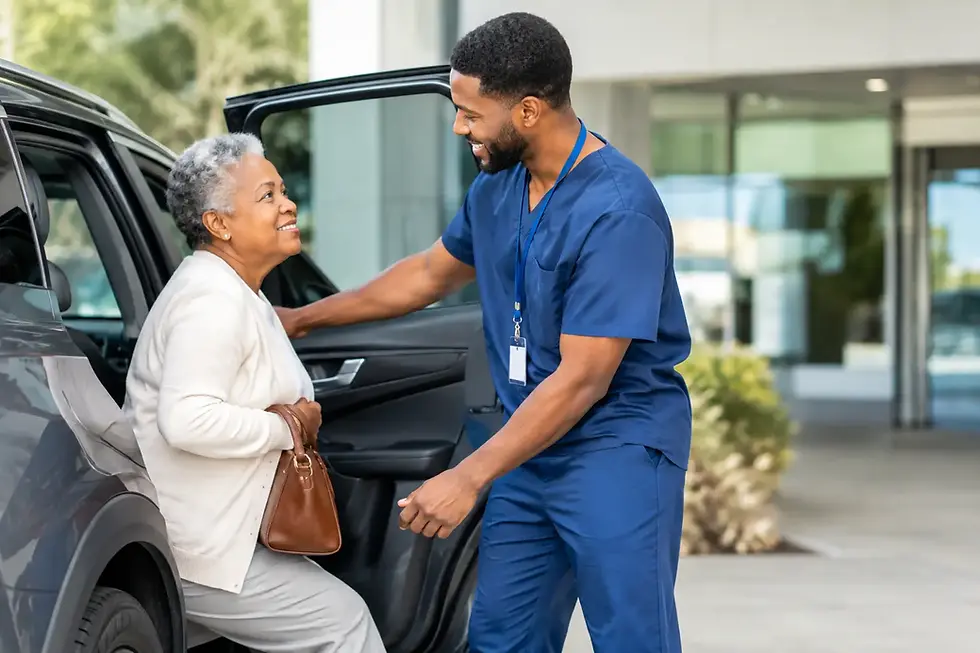
Families should also clarify the level of assistance included. Door-to-door service may mean the driver meets the rider at the pickup location and helps them safely into the vehicle, but the exact arrangement should be discussed ahead of time. If a rider lives in an upstairs apartment, is being discharged from a hospital, or needs coordination with a nursing facility, explain that when scheduling. The provider can then help determine what is appropriate and what preparation is needed.
It is also wise to ask about waiting time and roundtrip service. A one-way ride may work for a hospital discharge or facility transfer. For an appointment that lasts several hours, a roundtrip reservation can reduce the worry of finding a safe ride home later. The best choice depends on the appointment length, the rider's condition, and whether a family member or caregiver will be available at either end of the trip.
Preparing the Rider for the Day
A few practical details can make long-distance medical transportation more comfortable. Confirm the pickup time, pickup entrance, destination department, and the name of the medical facility. Large hospitals and specialty centers often have several entrances, and a clear plan prevents unnecessary walking or confusion after arrival.
The rider should bring identification, insurance information if the facility requires it, appointment paperwork, a current medication list, and any instructions from the care team. Keep essential items within reach rather than packed away. If the passenger uses oxygen, mobility equipment, or another necessary device, communicate those needs during booking so the transport provider can confirm appropriate accommodation.
Comfort matters, too. Dress in layers, particularly for early-morning pickups or changing temperatures between coastal and inland California communities. Bring water and any snacks permitted by the medical team, especially if the appointment does not involve fasting. For rides following surgery or treatment, the care team may have specific instructions about eating, medication, positioning, or the need for a responsible adult. Follow those directions closely.
Try to allow extra time rather than scheduling a tight arrival. California traffic can change quickly, and medical facilities may have busy loading zones or discharge delays. A dependable provider will plan with the appointment time in mind, but a little flexibility helps protect the rider from feeling rushed.
Long Distance Medical Transport California Families Can Plan Around
Long-distance transportation is often arranged during a demanding transition: a new diagnosis, a difficult recovery, a move closer to family, or the beginning of regular treatment. The goal is not merely to cover miles. It is to give the rider a safe, respectful way to keep appointments, return home, and remain connected to the people and care they need.
For adult children and caregivers, choosing a provider can also ease a real burden. You do not have to choose between leaving work unexpectedly, navigating an unfamiliar medical campus, or worrying whether your loved one can manage the trip alone. A professional transportation plan creates more predictability while still keeping the rider's needs at the center.
Sunshine Medical Transport provides private, door-to-door transportation for riders throughout South Bay, West Los Angeles, and Southeast Los Angeles County, including local and long-distance needs that can be safely accommodated. With ADA-compliant mobility vehicles, vaccinated staff, thorough sanitization, and a no-shared-rides approach, the focus remains where it belongs: helping each passenger travel with courtesy, comfort, and individual attention.
Before the trip, take a moment to share the full picture of the rider's needs, schedule, and destination. That conversation can turn a long, uncertain day into a ride that feels calmer, safer, and more manageable for everyone involved.


Comments